
How a Minimalist Lifestyle Simplifies Daily Meal Prep for Busy Families in Small Homes with School Kids
Living in a small home with a busy family, including school-going kids, presents unique challenges, especially when it comes to meal prep. Juggling work, school schedules, extracurricular activities, and family time can make it difficult to maintain a functional and organized kitchen. However, adopting a minimalist lifestyle can significantly simplify daily meal prep, making it easier for families to manage their time and space effectively. In this blog post, we’ll explore how a minimalist approach to living and organizing can streamline meal preparation and contribute to a smoother daily routine.
1. Embrace Simple Meal Planning
A minimalist lifestyle encourages simplicity, which directly benefits meal planning. With a focus on essentials and reducing complexity, meal planning becomes more straightforward and less time-consuming.
Streamlined Meal Planning
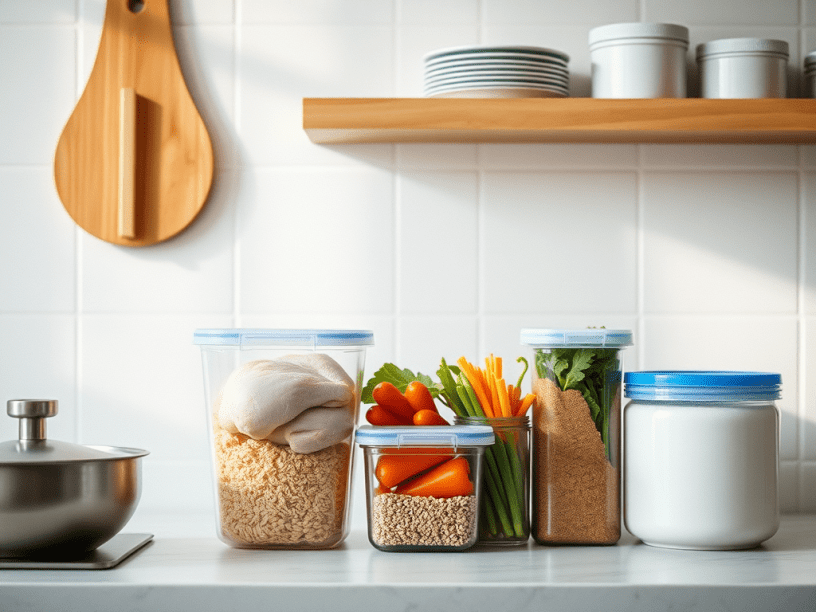
When you embrace minimalism, you focus on preparing meals that are easy to plan and execute. This means opting for a few versatile recipes that can be rotated throughout the week. For example, plan meals around a core set of ingredients like chicken, vegetables, and grains. This approach reduces the mental load of deciding what to cook each day and simplifies grocery shopping.
Weekly Menus
Create a weekly menu that includes a mix of simple, nutritious meals. Stick to recipes that use similar ingredients to minimize waste and shopping trips. By planning ahead, you can ensure that your kitchen is stocked with what you need and avoid the stress of last-minute meal decisions.
Batch Cooking
Batch cooking aligns perfectly with a minimalist approach. Prepare larger quantities of staples like rice, beans, or roasted vegetables that can be used in multiple meals throughout the week. This not only saves time but also reduces the number of cooking sessions, keeping your kitchen organized and efficient.
2. Simplify Grocery Shopping
Minimalism extends beyond meal prep to grocery shopping as well. By focusing on essential items and avoiding excess, you can streamline your shopping trips and keep your kitchen uncluttered.
Create a Detailed Shopping List
Based on your weekly menu, create a detailed shopping list organized by categories such as produce, dairy, grains, and proteins. This helps you stay focused and avoid impulse purchases that can clutter your kitchen. Stick to the list to ensure you buy only what you need.
Opt for Multi-Purpose Ingredients
Choose ingredients that can be used in multiple recipes. For example, purchase vegetables that can be used in salads, stir-fries, and soups. This not only simplifies meal preparation but also reduces the number of items you need to store.
Buy in Bulk Wisely
Buying staples like rice, pasta, and canned goods in bulk can save space and reduce shopping frequency. Store these items in clear, airtight containers to keep them fresh and easily accessible. However, be mindful of purchasing perishable items in bulk, as they can quickly become waste if not used in time.
3. Maximize Small Kitchen Storage
In a small home, efficient use of space is crucial. Minimalism promotes organization and simplicity, which can help you make the most of your kitchen’s limited storage.
Utilize Vertical Space
Install wall-mounted shelves or use over-the-door organizers to store items such as spices, utensils, or small appliances. Vertical storage helps free up counter and cabinet space, making your kitchen more functional and less cluttered.
Use Stackable Containers
Opt for stackable containers for dry goods and leftovers. These containers make it easy to store and access items without taking up too much space. Clear containers are particularly useful, as they allow you to see what’s inside and avoid over-purchasing.
Employ Drawer Dividers and Bins
Organize kitchen drawers with dividers to keep utensils and tools neat and accessible. Use bins or baskets inside cabinets to group similar items together, making it easier to find what you need without digging through clutter.
4. Simplify Meal Prep Techniques
Minimalism encourages efficiency and simplicity, which can greatly benefit your meal prep techniques. By focusing on methods that reduce complexity and clean-up time, you can streamline the cooking process.
One-Pot and Sheet Pan Meals
One-pot and sheet pan meals are perfect for a minimalist kitchen. These recipes require minimal equipment and are easy to clean up, as everything cooks together in one dish. They often involve fewer steps and ingredients, making meal prep quicker and simpler.
Batch Cooking and Freezing
Batch cooking involves preparing larger quantities of food that can be stored and used throughout the week. Freeze portions of soups, stews, or casseroles for quick and convenient meals on busy days. This technique reduces daily prep time and ensures that you always have a meal ready to go.
Prep Ingredients in Advance
Chop vegetables, marinate proteins, or measure out spices ahead of time. Store prepped ingredients in the fridge or freezer to have them ready when you start cooking. This practice minimizes kitchen mess and speeds up the cooking process, making it easier to prepare meals efficiently.
5. Involve the Whole Family
A minimalist approach to meal prep isn’t just about the physical organization of your kitchen—it’s also about creating efficient processes and involving the entire family in meal preparation.
Delegate Tasks
Assign age-appropriate tasks to family members to share the workload. Kids can help with washing vegetables, measuring ingredients, or setting the table. Even young children can assist with simple tasks, making meal prep a family activity and reducing the burden on one person.
Make Meal Prep a Family Activity
Turn meal prep into a fun and interactive family activity. Choose recipes that allow everyone to participate, such as assembling tacos or creating pizzas. Cooking together fosters family bonding and helps distribute the meal prep workload, making it a more enjoyable experience.
Create a Meal Prep Schedule
Establish a regular meal prep schedule where the family can work together on specific days of the week. This routine helps ensure that meal prep is manageable and that everyone knows their role. Consistent scheduling also makes meal preparation a more organized and less stressful task.
6. Embrace Multi-Functional Kitchen Tools
Minimalism encourages the use of versatile and space-saving tools. In a small kitchen, multi-functional appliances and utensils can help you make the most of limited space and streamline meal prep.
Invest in Versatile Appliances
Choose kitchen appliances that offer multiple functions, such as an Instant Pot that can act as a pressure cooker, slow cooker, and steamer. These versatile tools reduce the need for multiple gadgets and free up valuable counter space.
Use Compact and Space-Saving Utensils
Opt for compact utensils that serve multiple purposes, such as collapsible measuring cups or multi-purpose kitchen tools. These items are easy to store and reduce clutter in your kitchen drawers and cabinets.
Select Flexible Bakeware
Silicone bakeware and foldable kitchen tools are great for small kitchens. They take up less space than traditional options and are durable and flexible, making them ideal for a minimalist kitchen.
7. Maintain a Clean and Tidy Kitchen
A minimalist lifestyle promotes cleanliness and order, which are essential for an efficient kitchen. Regular cleaning and organization practices help ensure that your kitchen remains functional and stress-free.
Clean As You Go
While cooking, clean up immediately after using utensils and equipment. Wipe down countertops, wash dishes, and put away ingredients as you go. This habit prevents mess from piling up and keeps your kitchen organized.
Regular Decluttering
Set aside time each week to declutter your kitchen. Remove expired or unused items, clean out the fridge and pantry, and reorganize storage areas as needed. Regular decluttering helps prevent your kitchen from becoming overcrowded and ensures that everything remains easy to find.
Conclusion
A minimalist lifestyle can significantly simplify daily meal prep for busy families living in small homes. By adopting a minimalist approach to meal planning, grocery shopping, kitchen storage, and meal prep techniques, you can create a more efficient and organized kitchen environment. Involving the whole family, embracing multi-functional tools, and maintaining a clean and tidy space further enhance the benefits of minimalism.
With these strategies, you can streamline your family’s meal preparation, reduce stress, and enjoy a more functional and clutter-free kitchen in your small apartment. Embrace the simplicity of minimalism and discover how it can transform your daily routine, making meal prep easier and more enjoyable for the entire family.
 The Minimalist NRI