
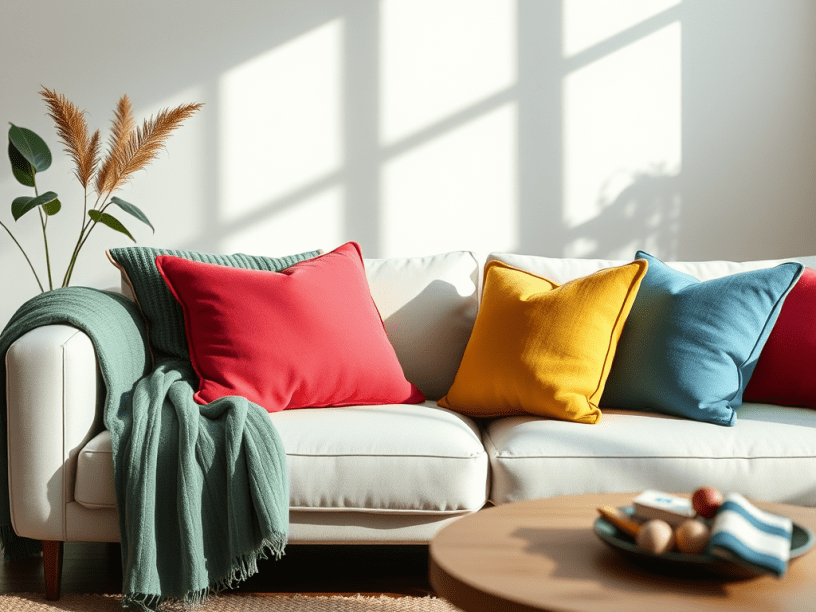
A minimalist living room is often characterized by its simplicity, clean lines, and neutral tones, while color, vibrancy, and eclectic patterns are usually associated with bolder design styles. But what if you want the best of both worlds? It’s possible to create a minimalist living room that feels both calm and vibrant by carefully balancing elements of color and design. This approach allows you to infuse your space with personality and life while preserving the peaceful essence of minimalism.
Here’s how you can create a living room that maintains the calm of minimalism but incorporates the boldness of vibrant design.
1. Keep the Layout Simple and Functional
The first principle of minimalist design is simplicity, which begins with the layout. In a calm yet colorful living room, keep the furniture arrangement clean and uncluttered. Focus on functionality, ensuring that every piece of furniture serves a purpose.
Clear Pathways: Ensure there is ample space to move around the room without obstacles. Avoid overcrowding the space with too many furniture pieces. A minimalist layout promotes relaxation and gives you a solid base to work from when adding color.
Use Multifunctional Furniture: Opt for multifunctional pieces like coffee tables with storage, side tables that can double as seating, or ottomans that can serve as extra storage. This ensures the room remains clutter-free while also providing the opportunity to introduce vibrant accents through furniture.
2. Start with a Neutral Foundation
Much like traditional minimalist spaces, the foundation of a calm yet colorful living room should be neutral. Stick to light, soft tones for the walls, flooring, and larger furniture pieces like the sofa or shelving.
Neutral Wall Colors: Shades like white, light gray, or beige create a peaceful backdrop that allows bold colors to stand out without feeling overpowering. A neutral foundation also ensures that the room maintains a serene atmosphere even as you add colorful elements.
Neutral Furniture: For large pieces such as the sofa or coffee table, choose neutral shades to ground the room. A light-colored sofa in a soft fabric provides a calm base, while leaving room for colorful pillows, throws, or artwork to bring in the vibrancy.
3. Introduce Color through Key Accents
Once you have a neutral foundation, it’s time to carefully introduce color through key accent pieces. The trick to keeping the space calm while still incorporating color is to be intentional with where and how you use vibrant hues.
Vibrant Pillows and Throws: Start by adding colorful pillows and throws to your neutral sofa. Choose colors that pop against the neutral background but aren’t too overwhelming, such as soft teal, coral, or mustard yellow. This adds life to the room without disrupting the minimalist feel.
Accent Chairs: If you want to introduce a more substantial amount of color, consider adding an accent chair in a bold hue. A sleek, modern chair in a vibrant shade can serve as both a functional piece and a statement of color.
Colorful Rugs: A rug is another great way to introduce color without overwhelming the room. Look for a minimalist-style rug with a subtle yet vibrant pattern, or go for a solid color that complements your accent pieces. Rugs help define the space while adding warmth and texture.
4. Balance Bold Design Elements with Calm Surroundings
Bold design elements can be part of a calm, minimalist room as long as they are balanced by a peaceful backdrop. Choose one or two statement pieces and keep the rest of the decor understated.
Statement Art Pieces: A single bold artwork on the wall can serve as a focal point for the room without detracting from its overall calm. Opt for a large, colorful abstract painting or a modern print that incorporates the colors of your accent pieces. This allows you to add vibrancy to the room while maintaining visual balance.
Bold Furniture: You can also introduce color and bold design through a standout piece of furniture. A bright armchair, an ottoman in a rich hue, or a uniquely designed coffee table can add a splash of energy without overwhelming the space. Just make sure the rest of the room stays neutral and simple to keep the look cohesive.
5. Use Patterns Sparingly
Minimalism thrives on simplicity, so when incorporating patterns, it’s important to use them sparingly. Bold patterns can add visual interest, but too many can detract from the calm atmosphere of a minimalist living room.
Throw Pillows and Blankets: One of the easiest ways to introduce patterns is through throw pillows and blankets. Choose one or two pillows with bold, geometric, or abstract patterns that complement your color palette. Avoid mixing too many different patterns, as this can create visual chaos in a minimalist space.
Rugs and Curtains: Another option for subtle pattern introduction is through rugs or curtains. Look for patterns that align with minimalist principles—simple, geometric, or nature-inspired designs. If you’re introducing a bold color in the form of a rug or curtains, make sure the pattern is understated to avoid overpowering the room.
6. Incorporate Natural Elements
Bringing nature into your living room is a great way to add both color and calmness. Natural elements such as plants, wooden furniture, and woven textures can introduce warmth and vibrancy while keeping the room serene.
Greenery: Plants are an excellent way to add a pop of color without disrupting the minimalist feel. The green of plants is naturally calming, and even one or two well-placed potted plants can bring life to your space. Choose plants that are easy to care for and that fit the scale of your room.
Wooden Furniture: Incorporating wooden furniture pieces, such as a coffee table or sideboard, can add warmth and depth to a minimalist living room. Choose light or medium-tone woods to maintain a sense of tranquility, and consider furniture with clean lines to stay within the minimalist aesthetic.
Woven Baskets and Textures: Woven textures in natural materials like jute, rattan, or linen can add subtle vibrancy while maintaining the minimalist theme. A woven basket for storage, a jute rug, or linen throw pillows can add a layer of texture that complements your color palette without overwhelming the space.
7. Keep Decor Minimal and Purposeful
One of the key principles of minimalism is to avoid unnecessary clutter. When adding color and vibrancy, ensure that each decorative element has a purpose. A minimalist living room should feel curated and intentional, with every piece contributing to the overall design.
Curated Decor Pieces: Instead of filling your living room with lots of small items, choose a few statement decor pieces that add color and personality. For example, a bright ceramic vase, a vibrant wall tapestry, or a single sculptural piece can add character without cluttering the room.
Books and Objects: If you want to display personal items, limit yourself to a small collection of meaningful objects or books in coordinated colors. Keeping decor minimal ensures that the room remains calm, even with the addition of vibrant accents.
8. Create a Sense of Space with Light
Lighting plays a significant role in the overall atmosphere of a living room. To maintain a calm yet vibrant space, focus on maximizing natural light and using artificial lighting to highlight key areas.
Natural Light: Keep your window treatments light and airy to allow as much natural light as possible into the room. Natural light enhances the feeling of openness and tranquility, and it helps vibrant colors stand out without feeling harsh or overwhelming.
Layered Lighting: Use layered lighting to create a warm and inviting ambiance. Incorporate floor lamps, table lamps, or pendant lights with minimalist designs, and position them to highlight your colorful accents and focal points. Soft, warm lighting will keep the space feeling calm and serene, even with bold colors in play.
9. Stick to a Cohesive Color Palette
When introducing color into a minimalist living room, it’s important to stick to a cohesive color palette. Limit your palette to two or three main colors to maintain harmony and avoid visual clutter. These colors should complement each other and work well with your neutral base.
Choose Complementary Colors: For example, if your main accent color is teal, you can complement it with shades of soft pink or mustard. Using complementary colors ensures that your space feels cohesive and balanced rather than chaotic.
Repeat Colors Throughout the Room: To tie the room together, repeat your chosen accent colors in various elements throughout the space. This could include artwork, throw pillows, rugs, and decor. Repeating colors helps create a sense of unity, ensuring that the bold elements feel intentional rather than scattered.
Conclusion
Creating a calm yet colorful minimalist living room is all about balance. By starting with a neutral base, introducing vibrant colors and bold designs strategically, and maintaining a focus on simplicity, you can achieve a space that feels both tranquil and full of personality. Thoughtfully incorporating color through accents, artwork, and textures allows you to enjoy the best of both worlds—a serene, minimalist environment that still reflects your vibrant, creative side. The key is to keep the space functional and uncluttered, ensuring that every element has a purpose and contributes to the overall sense of calm.
 The Minimalist NRI